美利坚合众国
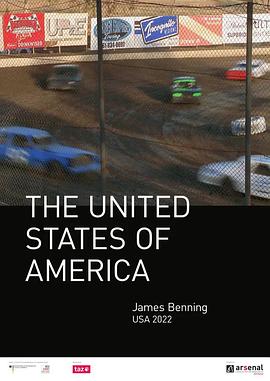
James Benning’s first film called The United States of America was a 1975 trip across the country, capturing its scenery through a car windshield. This second one also crisscrosses the nation, but without a car, carving it up instead into a series of static shots of just under two minutes, one for each state, presented alphabetically, from Heron Bay, Alabama to Kelly, Wyoming. The names of the places are nondescript, but the images attached to them are anything but, immaculately composed shots of landscape, cityscape and the spaces in between. As we move from A to Z, the images coalesce into a portrait of today’s USA, tracing out its fault lines almost in passing: fenced-off facilities, a river bed running dry, factories and refineries, run-down streets and gas stations, a camp under a bridge. The past is there too, seeping up through the songs and speeches that sporadically pierce the background noise or the motifs that evoke a whole career the clouds, trains and cabins are stand-ins for films, not just states. As always, there’s time for more abstract thoughts too: each image may stand for a state, but representativity is slippery. Which state is more cinematic than the rest?
▶ 立即播放剧情简介
《美利坚合众国》讲述的是什么故事?
《美利坚合众国》 James Benning’s first film called The United States of America was a 1975 trip across the country, capturing its scenery through a car windshield. This second one also crisscrosses the nation, but without a car, carving it up instead into a series of static shots of just under two minutes, one for each state, presented alphabetically, from Heron Bay, Alabama to Kelly, Wyoming. The names of the places are nondescript, but the images attached to them are anything but, immaculately composed shots of landscape, cityscape and the spaces in between. As we move from A to Z, the images coalesce into a portrait of today’s USA, tracing out its fault lines almost in passing: fenced-off facilities, a river bed running dry, factories and refineries, run-down streets and gas stations, a camp under a bridge. The past is there too, seeping up through the songs and speeches that sporadically pierce the background noise or the motifs that evoke a whole career the clouds, trains and cabins are stand-ins for films, not just states. As always, there’s time for more abstract thoughts too: each image may stand for a state, but representativity is slippery. Which state is more cinematic than the rest?
一、《美利坚合众国》是哪一年上映的?
《美利坚合众国》是詹姆斯·班宁于2022年拍摄的一部经典记录片。此片开创美国当代记录片的先河,《美利坚合众国》上映时票房稳坐前三,创下当年纪录。当时均为最佳主角,以精彩演技和突出形象,奠定在美国影坛地位。饰演角色造型多年后仍为人所模仿。詹姆斯·班宁之前曾被人怀疑其能力,而《美利坚合众国》却奠定詹姆斯·班宁记录片风格。
二、被称为记录片开先河之作的《美利坚合众国》,是詹姆斯·班宁最好的作品吗?
从詹姆斯·班宁斩获记录片最佳导演,我就觉得这部《美利坚合众国》是他最好的记录片。虽然后来还拍出了评价特别好的作品,但《美利坚合众国》依然是其代表作之一。
三、《美利坚合众国》为什么可以成为经典?
提起美国影视,人们常会说出《美利坚合众国》的名字。这部由詹姆斯·班宁导演、主演的作品,在当时真的是一匹黑马。凭借扎实表演与叙事节奏,《美利坚合众国》获得广泛好评,也成为许多观众的经典记忆。
四、如何评价《美利坚合众国》?
《美利坚合众国》口碑优秀,剧情紧凑,观感流畅。你可以在 探花视频(zgsmy.com.cn)获得更稳定的播放体验与更清晰的画质。
五、《美利坚合众国》主要内容
《美利坚合众国》是一部记录片作品,由詹姆斯·班宁执导,主演:。 James Benning’s first film called The United States of America was a 1975 trip across the country, capturing its scenery through a car windshield. This second one also crisscrosses the nation, but without a car, carving it up instead into a series of static shots of just under two minutes, one for each state, presented alphabetically, from Heron Bay, Alabama to Kelly, Wyoming. The names of the places are nondescript, but the images attached to them are anything but, immaculately composed shots of landscape, cityscape and the spaces in between. As we move from A to Z, the images coalesce into a portrait of today’s USA, tracing out its fault lines almost in passing: fenced-off facilities, a river bed running dry, factories and refineries, run-down streets and gas stations, a camp under a bridge. The past is there too, seeping up through the songs and speeches that sporadically pierce the background noise or the motifs that evoke a whole career the clouds, trains and cabins are stand-ins for films, not just states. As always, there’s time for more abstract thoughts too: each image may stand for a state, but representativity is slippery. Which state is more cinematic than the rest?